Supply Chain · Sales
The aftermarket: the business that keeps paying when vehicle sales slump
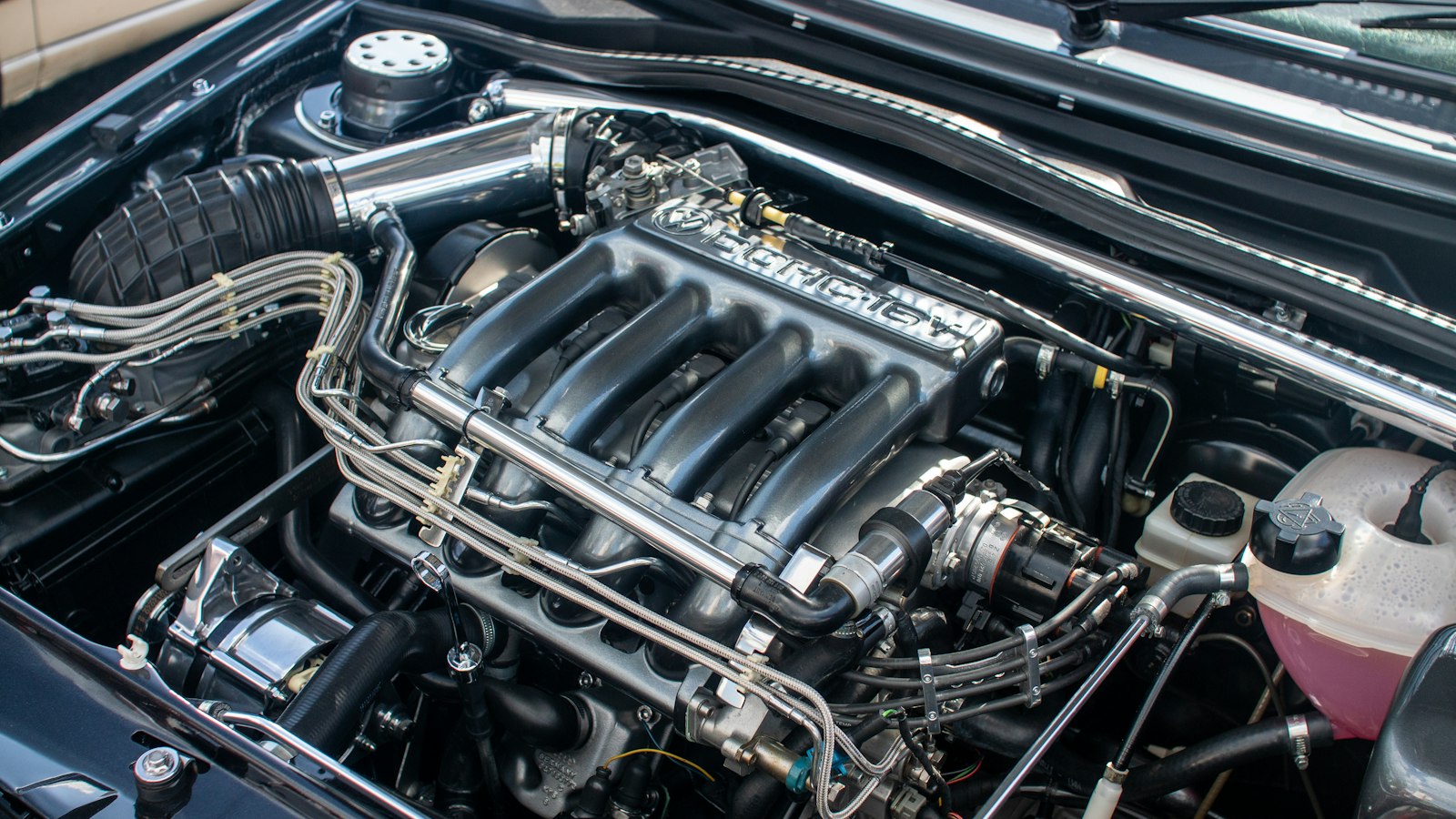
The automotive industry moves in cycles. Every few years, vehicle sales slump, vehicle makers announce plant shutdowns, and they cut component orders, both to match lower sales and to clear excess parts already in the chain. For component makers, sales fall sharply.
Yet in the same downturns, one segment often keeps growing: the aftermarket, where worn-out parts are replaced on the vehicles already on the road. The number of vehicles in use keeps rising year after year, slump or no slump, and every one of them needs filters, brake pads, clutches, bearings, belts and bulbs.
For a component maker, the aftermarket has two attractions:
- it is far more stable than supplying vehicle makers, and
- it usually earns a higher contribution per part than original-equipment supply.
So why do so many component makers treat it as an afterthought?
Why the aftermarket gets the leftovers
The reason is operational, not strategic. When a vehicle maker’s assembly line needs parts, it needs them now. Missing a delivery can stop a line and put future business at risk. So whenever capacity is tight, it goes to the vehicle makers first. The aftermarket gets whatever is left.
The result: aftermarket supply is intermittent and unreliable. When vehicle orders drop, the aftermarket suddenly looks like a saviour, and companies launch schemes to push stock into it. When vehicle orders recover, the aftermarket is forgotten again.
Treated this way, the aftermarket can never act as a cushion against the industry cycle.
What sells in the aftermarket
For most spare parts, the customer won’t wait. A mechanic with a vehicle on the ramp uses whatever brand is available at the nearest shop. So:
- if a brand is available at most retailers in an area, it captures the demand there;
- if it is often missing, retailers and mechanics lose interest. Retailers order less. Demand fades even when the distributor has stock.
Companies that supply the aftermarket only occasionally usually sell through a few large wholesalers. Wholesalers buy only the fastest movers, in big lots, and sell wherever they can, with no loyalty to any territory. That gives neither reach (presence in many shops) nor range (many parts in each shop).
Building reach and range
To capture the aftermarket’s potential, the right range must be present and continuously available in the maximum number of retail shops in each area. Since retailers have limited money, they can carry a wide range only if they hold very little of each part. That requires:
- Daily availability of the full range at the distributor, so retailers don’t feel the need to hoard.
- A defined territory for each distributor, to deepen coverage and stop stock being dumped across territories.
- A dedicated salesperson with each distributor, visiting every retailer weekly to collect orders, with reliable delivery.
Why the distributor will do it
This model asks a lot of the distributor: people, vehicles, discipline. He will invest only if he gains a lot.
Higher margins aren’t the answer; no company can afford them. A much better return comes from less stock. Many aftermarket distributors hold around two months of stock and still face shortages. If they can have near-perfect availability with two weeks of stock, their return on investment can double or more. With that kind of return, distributors are happy to follow the retail-servicing discipline.
Here is the arithmetic. A distributor sells ₹60 million of a brand’s parts a year and keeps about 7% after his own costs: ₹4.2 million. With two months of stock (₹10 million) and about ₹5 million of credit in the market, he has ₹15 million invested and earns 28%. With two weeks of stock (₹2.5 million) and the same credit, his investment falls to ₹7.5 million and his return rises to 56%. And because weekly visits make collections a routine rather than a chase, the credit usually shrinks too, pushing the return higher still.
The supply chain behind it
To keep distributors available on two weeks of stock, the company must refill them within about a week or so. That can’t happen if the plant makes parts to distributors’ orders. It needs:
- A company warehouse that always has the full range, replenishing distributors frequently according to what they sold.
- A plant that refills the warehouse, instead of a monthly forecast. In most component plants, actual production takes only a day or a few days once material is available. Monthly planning stretches the system’s reaction time to well over a month. Producing to refill warehouse buffers, with a buffer of about twice the production lead time, lets the plant respond to daily consumption.
This also eases the old conflict between vehicle-maker orders and the aftermarket. When the plant makes what is needed now, rather than surplus to a forecast, there is capacity for both.
Treat the aftermarket as a business, not a buffer, and it becomes your buffer against the industry cycle.

Strategy, supply chain & sales transformation consultant. About · Book a discussion