
Blog
All posts

Book Summary: Thinking for a Change

Software projects: stop blaming the estimates

A brand of your own: why manufacturers must learn to think small

Three rules for faster product development

How a late design cascades through a component supplier

Marketing or supply chain: which comes first?

Fighting fake products with availability

More data or better intuition? What really improves decisions

Beating project deadlines without deadline pressure

Your sales team has more capacity than you think

Planning for a future you can’t see

The longest path isn’t the whole story

Min-max is not a safety net: rethinking reorder points

Call centres: short waits or low cost?

Selling spare parts online: what goes wrong, and what could work

Why some Critical Chain implementations fail, and others transform

Brands vs retailers: ending the margin war

Is profit percentage the right yardstick?

Freeze: the hardest first step in managing many projects

Just-in-time on paper, push in practice

Can brands with shop-based distribution compete with online marketplaces?

Full availability with half the stock: where the days really go

Growing a retail chain through franchisees, without passing on the problem

Getting work done on time, without chasing

Which improvement project should come first?

When cash suddenly vanishes from the channel: lessons from a liquidity shock

How a store slowly dies, and how to stop it

Stop judging people by the plan

Equipment makers: doing more with the capacity you already have

What really decides a retail chain’s profit

The planning software nobody dares to question

Why good design engineers leave, and how to keep them

Make your suppliers allies in a downturn, not shock absorbers

Should a retail chain grow fast or grow carefully?

After-sales service that customers actually feel

Your ERP knows everything, except what to do next

The problem with size sets

Infrastructure’s working capital trap, and the way out

More variety without more chaos

Fashion without a crystal ball

EPC contractors: from firefighting to flow

Why suppliers won’t add capacity, and how to make expansion less of a gamble

Fresh is the new available: managing products with a shelf life

Flow on a large infrastructure site

Why improvement initiatives stall, and how to make change stick

Automotive Spares: Supplier Management the TOC way

Is your planning method eating your working capital?

How a small dip at the dealer becomes a crash at the sub-supplier

Why consulting companies are beneficial?

Difference between Cost accounting and Throughput accounting

The long tail of small towns most companies ignore

Why construction projects run late, and how to win back the time

Systems thinking with Theory of Constraints

‘Antifragile’ supply chains: Can supply chains weather the storms of economic downturns?

What Toyota’s success really teaches: concepts versus applications

Trade schemes: are you paying to move stock, not to sell it?

Uncertainty Ahead: The ‘elusive’ responsive supply chain

Four Pillars of Theory of Constraints (TOC)

Difference between ‘Push’ & ‘Pull’ Strategy in Supply Chain Management

What is Theory of Constraints (TOC)?

Book Summary: The Goal

TOCnomics
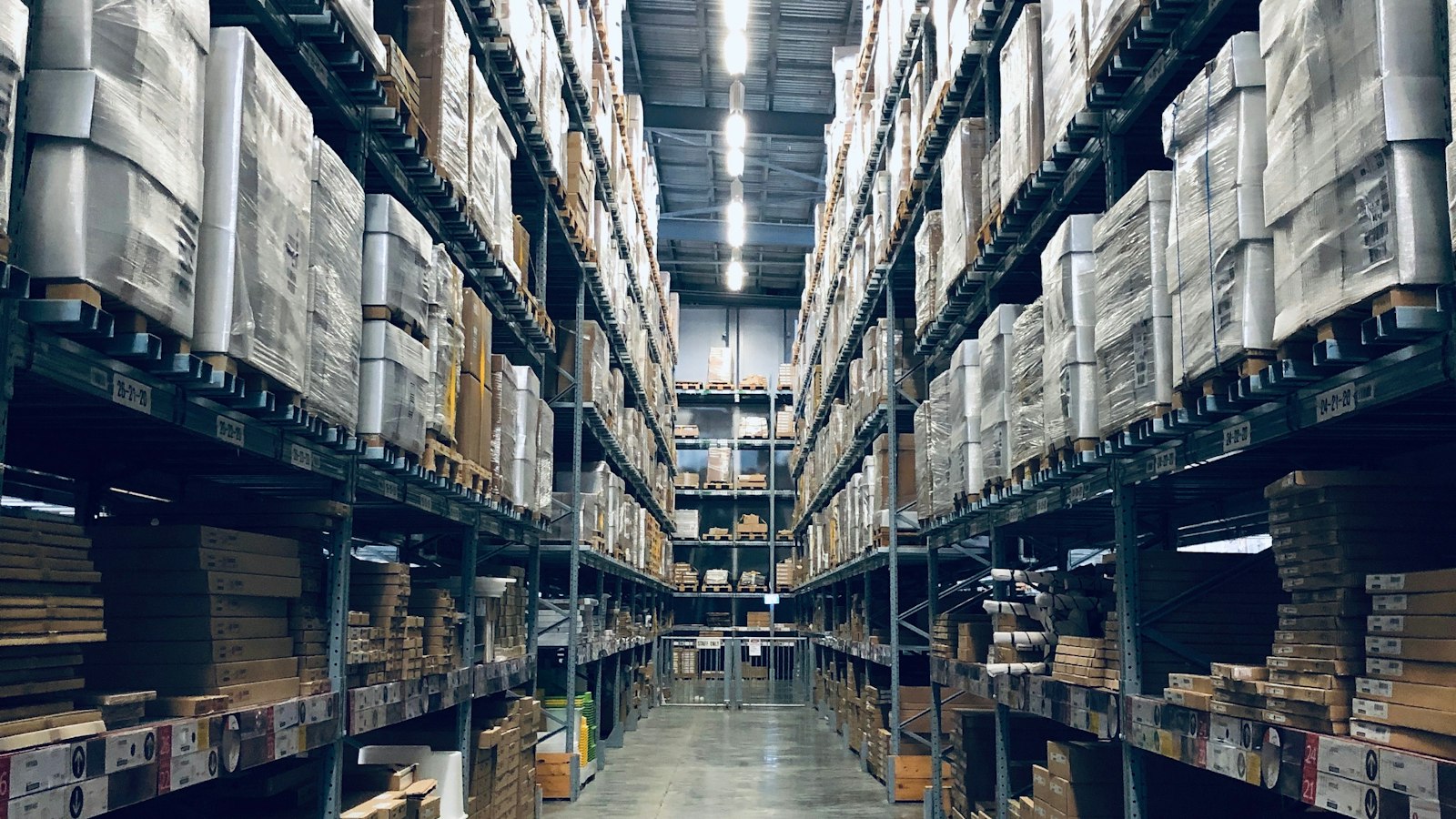
What I learnt about inventory in Theory of Constraints (TOC) Paradigm?

When sales and production pull in different directions

Our beliefs

Tier-1 suppliers: caught between an unstable plan and unreliable sub-vendors

Good for the books, bad for the project

What is Theory of Constraints Thinking Process?

Hockey Stick Syndrome in sales

Stock is down, availability is up, so why did sales fall?

Lean and TOC: rivals or partners?

Time, cost or quality: what matters most in a project?

Taking pull replenishment all the way to the neighbourhood shop

Spare parts: when the long tail runs the business

Busy machines or on-time orders? How Drum-Buffer-Rope ends the trade-off

The wholesaler problem every distribution company knows

Do deadlines make people faster?

What an open spare-parts market means for vehicle makers

What a traffic jam teaches about flow

The other side of Human Inertia
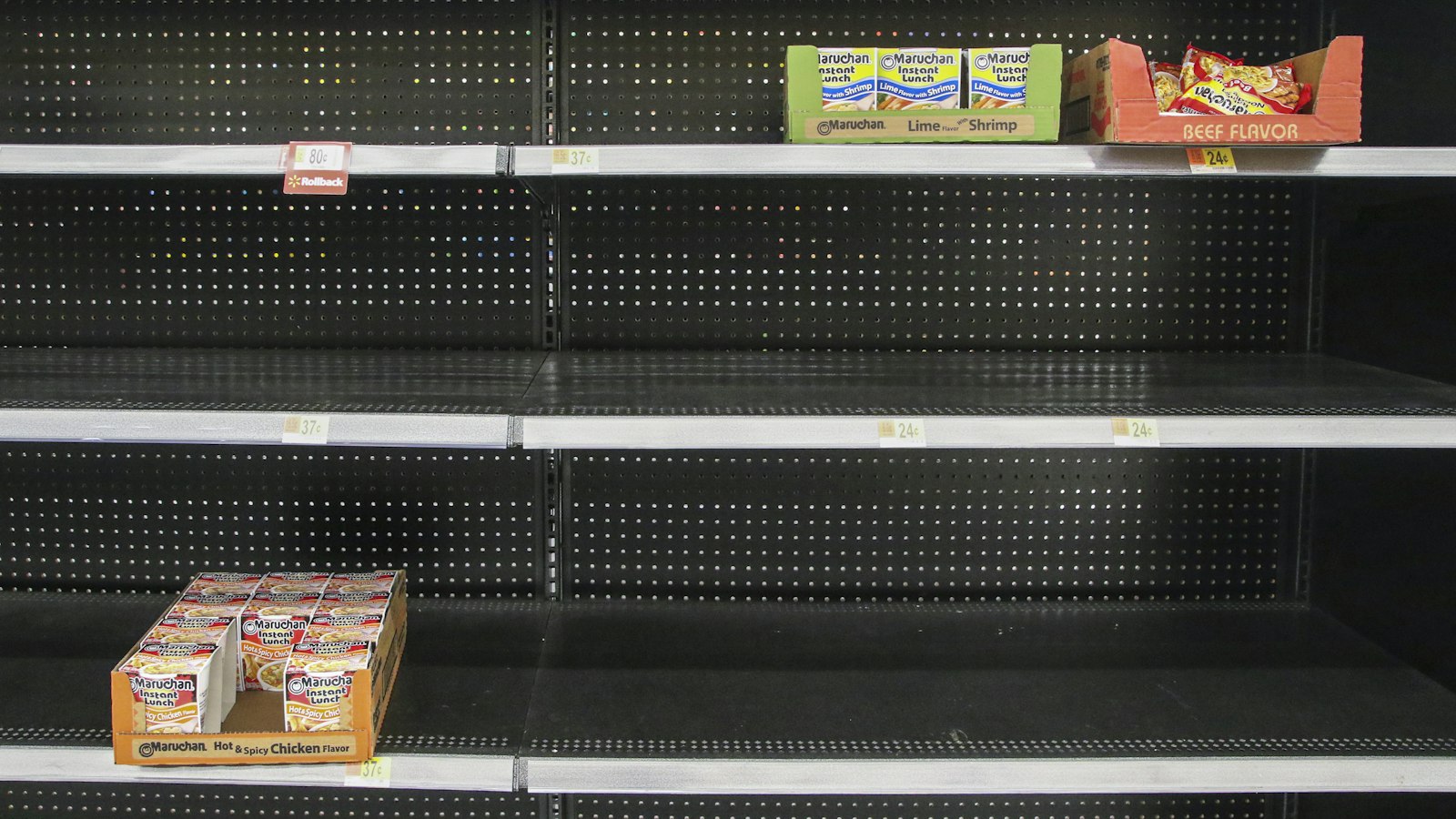
How much to keep to avoid Stockouts?

Pull replenishment when wholesalers dominate the market

Inherent Simplicity

Why sharing people across projects slows them all down

Why inventory turns can mislead you, and what to measure instead

The efficiency trap on the shop floor

The aftermarket: the business that keeps paying when vehicle sales slump

Inherent Harmony- “Good for one is good for all”

Do you really know your constraint?

Where do slow movers come from?

Critical Chain: more projects, finished sooner
No articles on this topic yet. Coming soon.