Sales · Supply Chain
The long tail of small towns most companies ignore
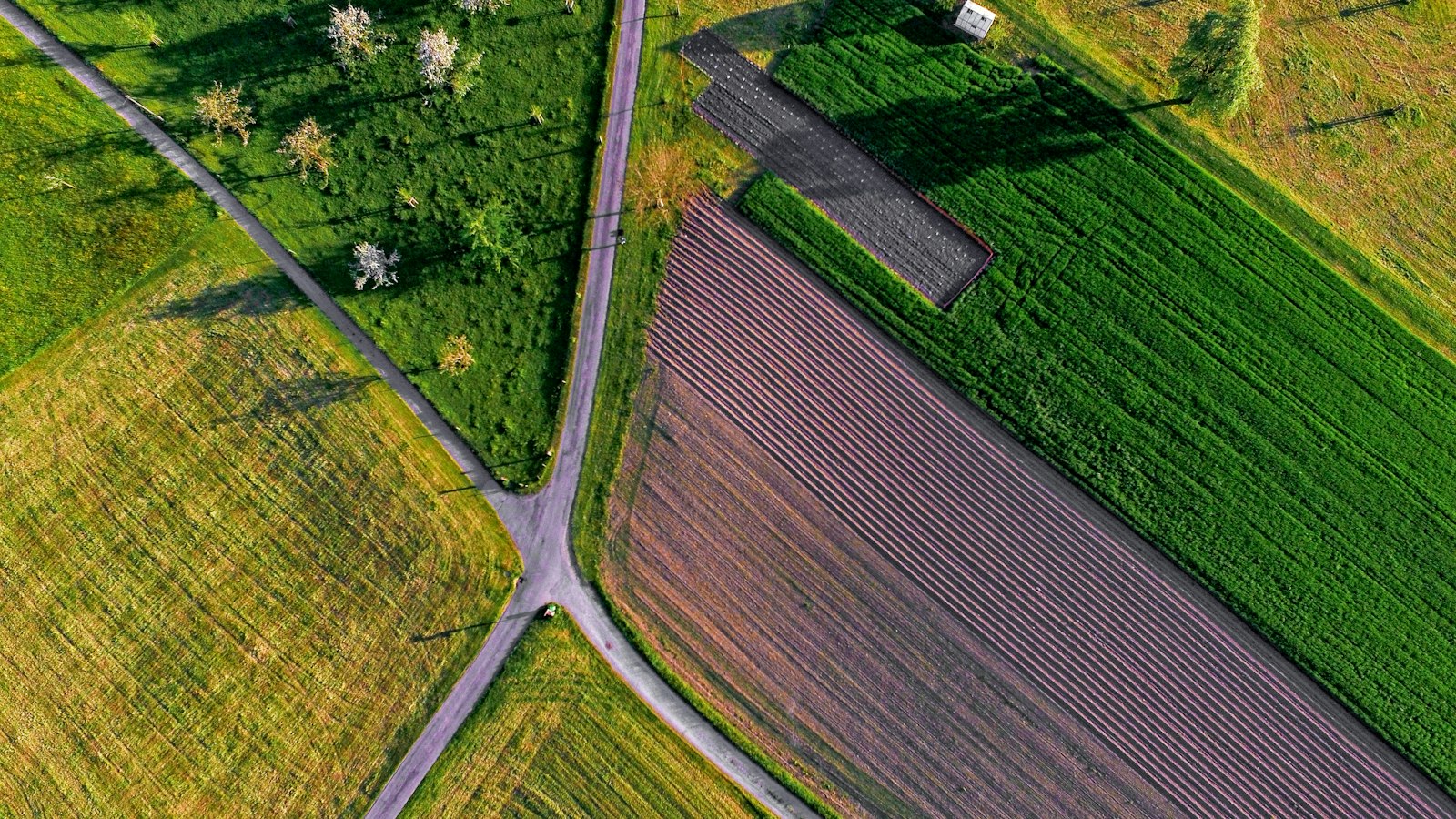
Look at where people live in a large country like India, and you find a long tail. A small number of big cities and districts hold a large share of the population. But the much larger number of smaller towns and districts, together, hold even more.
Now look at the sales of a typical consumer goods company across its distributors. You would expect them to follow the population: a head, and a long, fat tail. Instead, the picture is usually very different. A small group of distributors (often a quarter or less) brings in most of the sales. The tail is thin.
Where did the tail go?
“Wholesalers cover the small towns”
Ask the company, and the usual answer is that there is no reach problem: large wholesalers buy in bulk and supply the small retailers across the region.
But do they? A wholesaler’s model works against the tail:
- Thin margins leave no money for salespeople or delivery vans. Wholesalers sell passively: they wait for retailers to come to them.
- Credit risk makes them cautious. They prefer retailers who pay cash and collect goods themselves.
- Limited range. To minimise risk, they stock only the fastest-moving items.
So only retailers who can pay cash and travel to the wholesaler buy from him, and only a few of the company’s items reach them. The rest of the range and the rest of the retailers are never served.
How the head gets so big
The pattern is created by the company itself.
- Primary sales targets push sales teams to favour distributors who will buy large lots, well beyond their immediate needs.
- Those distributors, overstocked, offer deep discounts to clear stock, mostly to wholesalers and a few large retailers.
- Having cleared their stock this way, distributors have neither the material nor the motivation to serve small retailers in their own territory.
Large batches in production, big case sizes and full-truck dispatches all reinforce the same habit: think big. The tail of small towns and small shops needs the opposite: small, frequent supplies, small investments and regular service to many outlets.
Why serving the tail seems too costly
Companies justify the gap as “not cost-effective”. Serving many small retailers means:
- Distribution cost: more drops, smaller orders.
- Manufacturing cost: smaller batches, more changeovers.
- Follow-up cost: chasing many small orders and many small payments.
These costs are real in a push system. But each of them can be brought down.
Bringing the tail within reach
1. Make collections and supply routine. Follow-up and collections eat the sales team’s time, so they gravitate to a few big accounts. If every shop is visited on a fixed day, supplied small quantities each time and never runs out, orders and payments become a steady routine. The sales team spends less time chasing and more time selling.
2. Make distribution profitable even in a smaller territory. A distributor serving every outlet in a defined area needs a high return on his investment to make it worthwhile. Pull replenishment makes that possible: supplied frequently from a nearby company warehouse with the full range, he needs perhaps two weeks of stock instead of a month or more. His money turns over several times as often. The cash released goes into wider range and more outlets.
Put numbers to it. A distributor in a small-town territory sells ₹30 million a year and keeps about 4% after his own costs: ₹1.2 million. Holding 45 days of stock plus market credit, he has around ₹6 million tied up. His return: 20%, barely better than a fixed deposit once his effort is counted. Supplied every few days from a nearby warehouse, he needs about 15 days of stock, and his investment falls to around ₹3.5 million. The same ₹1.2 million now earns him over 34%, and the ₹2.5 million released can fund a second delivery route to the villages he never reached.
3. Decouple production from distribution. Supply distributors from a central stock buffer, not straight from the production schedule. Production refills the buffer in flexible batches, often enough to avoid shortages but without constant unplanned changeovers. Distributors are no longer forced to accept large minimum quantities.
4. Change old rules. Limit primary sales to agreed norms for each item. Stop distributors poaching outside their territory. Keep retail prices clean. Replace trade schemes with reliable daily availability.
Small is big
If a customer has to walk past a competitor to find your brand, he will probably buy the competitor’s.
Unless a brand is so strong that customers will hunt for it, it has to be present wherever customers might walk in, including the thousands of small shops in small towns. Companies that build a supply chain able to serve this tail profitably find that the tail, added up, is bigger than the head they have been fighting over.
Related reading

Strategy, supply chain & sales transformation consultant. About · Book a discussion