Finance · Operations
Profitable on paper, broke at the bank: a cash velocity story
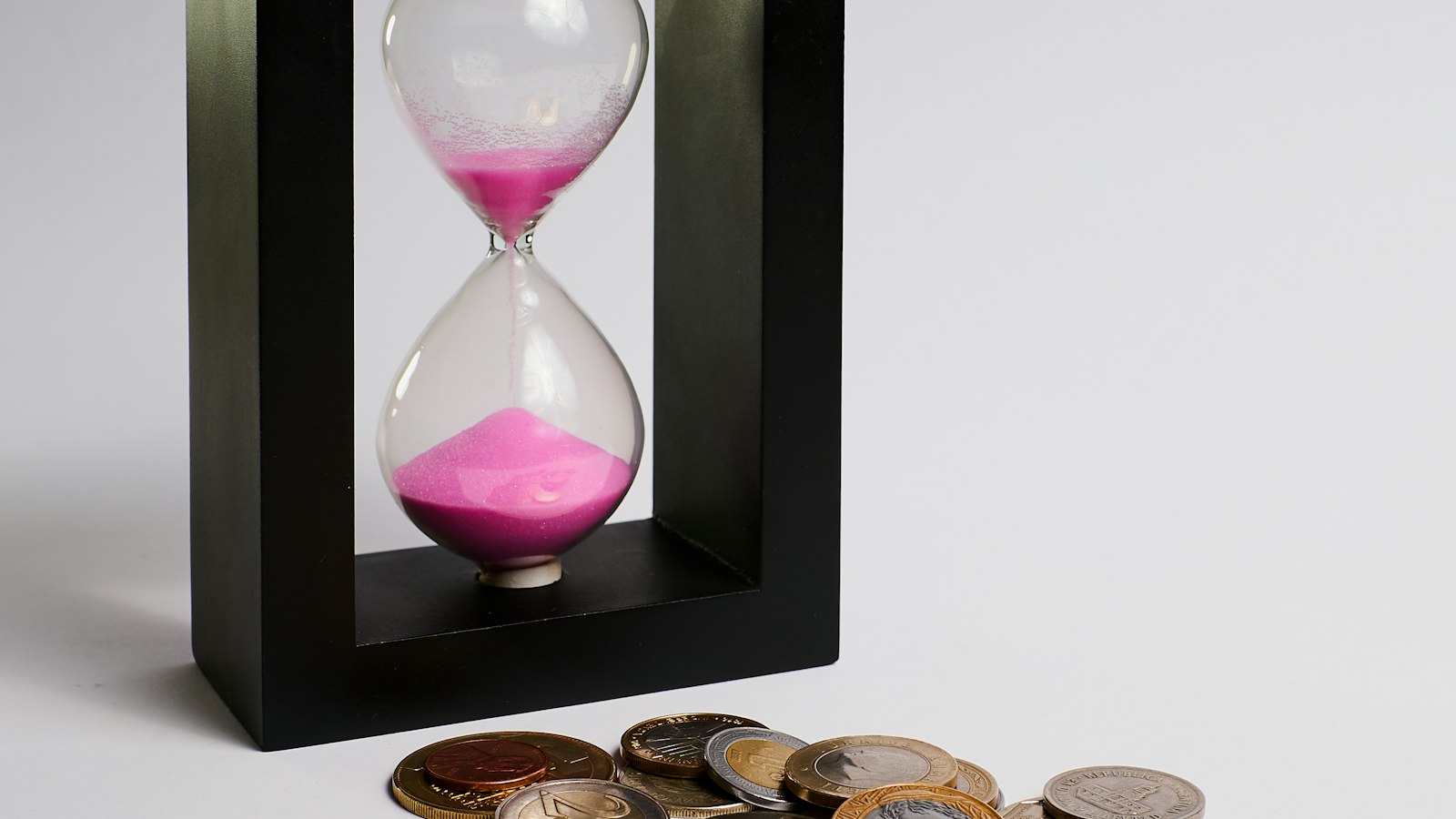
The company in this story is made up. The problem isn’t. Versions of it play out in small and mid-sized firms every year, usually just after a good year.
It was a Thursday when Harjit Grewal found out his company was dying.
Grewal Packaging makes corrugated boxes in an industrial estate outside Ludhiana. Sales were about ₹24 million a month, the order book was full, and the auditors had just signed off a profit of ₹16 million for the year. On Thursday morning the accounts team told him there wasn’t enough in the bank to pay Saturday’s wages, and the two kraft paper mills that supply most of his paper had stopped dispatching until old bills were cleared.
His daughter Simran, a chartered accountant who had joined the business six months earlier, asked him the question that started everything:
“Papa, we made a profit. So where is it?”
The profit that never reached the bank
Simran spent the weekend with the books and the bank statements. What she found is common enough to have a name: the company was profitable on paper and broke at the bank.
The profit was real. It just wasn’t cash. Over the year, it had been turned into other things:
- Kraft paper in the godown. When paper prices jumped in the spring, Harjit bought two months’ stock at once, worried they would rise further. He kept buying that way.
- Boxes made ahead. The plant’s biggest customer, a food company, took 55% of output on 75-day terms. To keep the corrugator busy, the plant made boxes for the customer’s forecast, and they waited in the yard for the call-off.
- Money owed by customers. The food company paid in 75 days, sometimes 90. Smaller customers, pharma distributors, sweet shops and online sellers, paid in about a month.
Meanwhile the paper mills, nervous about their own cash, had moved from 30 days’ credit to payment before dispatch.
Simran put it in a single line: free cash flow is profit minus the increase in what the business has tied up. Profit had been about ₹1.4 million a month. Paper, boxes and receivables had grown by more than that. The bank balance had been falling every month for most of a year, and nobody had looked, because the monthly report showed sales, profit and machine efficiency, and not one number about cash.
If you don’t measure anything else in a crisis, measure this: did the money you can spend go up or down today?
Is cash really the problem?
Harjit’s first instinct was to look for more orders. His production head wanted a second corrugator. His accountant wanted a bigger bank limit.
Simran had read about the Theory of Constraints, and asked which of four things was really holding the company back: orders, capacity, supplies or cash.
- Orders? The plant was delivering late to half its customers. More orders would only make that worse.
- Capacity? The corrugator ran two shifts out of three. It wasn’t the limit.
- Supplies? The mills were willing to supply, and had done so reliably for years, as long as they were paid.
- Cash? There were orders, idle hours and willing mills, and no money to pay for paper.
It was cash. And that changed which actions made sense. Chasing new orders on credit, which feels like the obvious cure, would have made things worse: every new order would need paper paid for today and bring money back in two or three months.
How long is the money away?
Simran then measured something the company had never measured: the cash-to-cash cycle, the time from paying for paper to being paid for the boxes made from it.
| Months | |
|---|---|
| Paper in the godown | 2.0 |
| Corrugating, printing, die-cutting | 0.25 |
| Boxes waiting in the yard | 0.5 |
| Customer credit (average) | 1.75 |
| Supplier credit | 0 |
| Cash-to-cash cycle | about 3.25 |
Converting paper into boxes took about a week. Everything else was waiting.
Cash velocity
Then she put the two together, using an idea Dr Lisa Lang calls cash velocity: how fast money comes back, not just how much. Paper made up about 65% of the selling price. So every ₹65 spent on paper came back as ₹100, but only after three and a quarter months.
Think of it as a deposit. ₹65 goes in, ₹100 comes out 3.25 months later, and can go straight back in. What monthly interest, compounded, does that equal? Ravi Gilani of Goldratt India works it out like this:
Cash velocity = (sales ÷ material cost) 1 ÷ cycle in months − 1
For Grewal Packaging: (100 ÷ 65) 1/3.25 − 1 ≈ 14% a month.
“Fourteen percent a month?” Harjit said. “The bank charges me eleven percent a year.”
“That’s the point,” said Simran. “While we’re short of cash, every rupee in this business is worth fourteen percent a month. Anything that gets us cash for less than that is cheap.”
She also worked it out for each kind of customer:
- The food company: material 68% of price, cycle about 5.5 months. Velocity about 7% a month.
- Small customers: material 60%, cycle about 3 months. Velocity about 18% a month.
The biggest, most prestigious customer was the slowest money in the company.
What they changed
Over the next three weeks, the family and the managers worked through one test for every decision: does this bring cash in sooner, or let it out later?
They stopped buying paper by the truckload. A smaller mill forty minutes away agreed to deliver every week, at 2% more per tonne. Paper stock fell from two months to about a week. The cash released, about ₹25 million over two months, was worth far more than the 2%.
They stopped making boxes ahead. The corrugator ran only against confirmed call-offs. Machine efficiency fell. Nobody missed it. The yard emptied, and those boxes were invoiced.
They offered small customers 2% for paying within seven days. Paying about three weeks early for 2% costs roughly 3% a month. At 14% a month, that is a bargain. More than half the small customers took it.
They asked the food company about its supplier finance scheme. Like many large buyers, it had an arrangement with its bank: approved invoices could be paid within 15 days at a small discount. Harjit had never used it, out of pride. It cost about 1% a month. The receivable from the biggest customer fell from 75 days to about 15.
They sold trim waste every week instead of every quarter. A small sum, but in a cash crisis small sums matter. A business with no spare cash can be pushed under by a small shortfall, and pulled out by a small gain.
They gave paper to the fastest money first. While cash was short, the scarce paper went first to the small customers whose cash came back fastest, after keeping every commitment already made to the food company. Spreading paper thinly across everyone would have kept every order late.
They paid the mills small amounts, on fixed dates, without fail. Simran called both mills: “We owe you ₹3.8 million. We will pay ₹600,000 every Friday until it’s cleared.” Every Friday, the money arrived. By the sixth week, one mill offered 15 days’ credit again.
And every evening at seven, the family looked at three numbers: cash available, what came in and went out that day from operations, and the total of payments overdue.
Eight weeks later
The cash-to-cash cycle fell from about 3.25 months to under 1.5. Cash velocity more than doubled. Wages went out on time every week. The overdue list, which had kept growing for months, started falling in the third week and was almost cleared by the eighth.
There was no new loan, no new corrugator and no layoff. Sales went up, because customers who had waited weeks for boxes now got them in days.
What the story teaches
The lesson isn’t that profit doesn’t matter. It is that profit and cash are different things, and in a crisis only one of them pays the wages.
- Measure cash every day. The bank balance plus unused credit, compared with yesterday, is the simplest and most honest measure a business has.
- Check that cash really is the constraint before acting. If it isn’t, the cure can be harmful.
- Measure how long your money is away. Most of the cycle is waiting, and waiting is set by policies you can change: lot sizes, batch sizes, building ahead, credit terms, how fast you invoice and collect.
- Decide with cash velocity while cash is the constraint. A lower price that brings money back faster can be worth more than a higher price that brings it back slowly.
- Change the rules again afterwards. Once cash is no longer the constraint, deep discounts for early payment stop making sense. Keep a protective cash buffer, keep the short cycle, and go after orders.
Harjit summed it up when his banker asked what had changed:
“For thirty years I asked how much we made. Now I ask how fast it comes back.”
Related reading
- Interactive guide to Throughput Accounting: throughput, investment and operating expense, with sliders to test decisions.

Strategy, supply chain & sales transformation consultant. About · Book a discussion